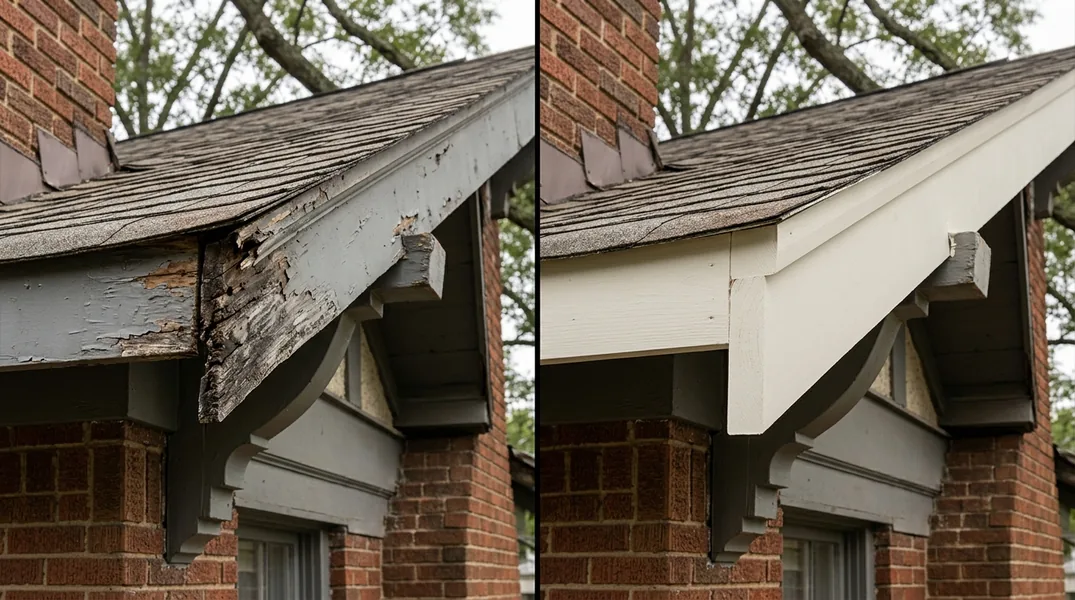
Why Greensboro's Bungalows Are Prone to Wood Rot
Greensboro bungalows, especially those built in the early to mid-20th century, face a perfect storm of conditions that make them vulnerable to wood rot. The region's subtropical climate, combined with heavy seasonal rainfall and the area's distinctive red clay soil, creates an environment where moisture penetrates wood structures far more easily than in other parts of the country. If you own one of these charming older homes, understanding these risk factors is the first step toward protecting your investment.
The problem starts with drainage. Greensboro's red clay soil has poor drainage characteristics, meaning water doesn't move away from your foundation as quickly as it should. Instead, it pools around the perimeter of your home, wicking moisture up into the wood framing, siding, and structural elements. Over time, this constant exposure to damp conditions creates the ideal breeding ground for both dry rot fungi and the wood-boring insects that follow. Bungalows, with their typically lower clearance between the ground and the main floor, are especially susceptible to this problem.
How Red Clay Drainage Creates Long-Term Wood Damage
The red clay that dominates Greensboro's soil composition is largely impermeable. While it's great for holding the landscape in place, it's terrible for moving water away from your home's foundation. When heavy rains occur, water has nowhere to go except down and into the soil immediately surrounding your house. This means the soil stays saturated for days or even weeks after a storm, keeping the wood in your crawl space, basement, or lower walls perpetually damp.
This chronic moisture exposure is what differentiates Wood Rot & Dry Rot Repair needs in Greensboro from those in drier climates. Dry rot fungi (which ironically thrive in damp wood) can establish themselves in the structural timbers of your home and spread silently for years before you notice soft spots, discoloration, or that telltale musty smell. By the time visible damage appears, the rot may have compromised critical structural elements like rim joists, floor framing, or even the posts that support your home's weight.
Storm Damage and Its Role in Accelerating Wood Rot
The Piedmont region of North Carolina, where Greensboro is located, experiences significant storm activity during spring and summer months. Heavy downpours, hail, and high winds can damage roofing, gutters, and siding, creating openings for water to penetrate your home's envelope. What many homeowners don't realize is that even small breaches in your roof or damaged flashing can lead to years of hidden moisture problems that eventually result in widespread wood rot.
Storm damage repair is often treated as a cosmetic issue, but the real danger lies beneath the surface. A missing shingle or cracked gutter doesn't just look bad; it channels water directly into your attic, wall cavities, or crawl space, where it saturates the wood framing. When combined with the already-damp conditions created by red clay drainage, Greensboro homeowners face an accelerated timeline for wood rot development. What might take five years in a dry climate can happen in two years in our region. This is why prompt attention to storm damage isn't just about preventing leaks; it's about preventing structural failure.
Signs Your Bungalow Has Wood Rot: What to Look For
Early detection is your best defense against expensive structural repairs. The most obvious sign of wood rot is soft, spongy wood that yields easily to pressure from a screwdriver or awl. You might also notice discoloration, either darkening or bleaching of the wood surface, along with a musty, earthy smell in crawl spaces, basements, or lower-level rooms. Some homeowners describe it as the smell of old, wet leaves. Paint may also blister or peel more frequently than normal, as the moisture beneath is constantly pushing outward.
Look carefully at areas where wood meets soil or concrete, particularly the rim joists and band boards that run around the perimeter of your foundation. Check the underside of window sills, door frames, and any wood that's been exposed to standing water or prolonged dampness. In attics, inspect the roof decking and rafters for soft spots, especially near valleys or areas where gutters might be overflowing. If you spot any of these signs, contact a professional for a thorough inspection. Early intervention with Wood Rot & Dry Rot Repair can save you thousands of dollars in structural damage.
Professional Wood Rot & Dry Rot Repair Near Me: When to Call a Pro
Not all wood rot can be handled with DIY solutions. While minor surface rot on non-structural elements might be manageable for a handy homeowner, the wood rot problems that plague Greensboro bungalows typically involve structural components that require professional expertise. Issues like rot in floor joists, rim joists, or load-bearing posts demand the skills of a licensed carpenter who understands local building codes and structural engineering principles.
When you call Greensboro Carpentry at (336) 203-7049, our team will conduct a detailed inspection to determine the extent of the damage and identify the underlying moisture source. We don't just treat the symptom; we address the root cause, whether that's improving drainage, repairing storm damage, or installing moisture barriers. Depending on the severity, we may recommend Floor Joist & Subfloor Repair or even Beam Replacement & Load-Bearing Wall Removal if critical structural elements are compromised. The key is acting quickly: the longer rot goes untreated, the more extensive and expensive the repairs become.
Protecting Your Greensboro Bungalow: Prevention Strategies
Prevention is always more cost-effective than repair. Start by improving drainage around your foundation. This might involve installing French drains, extending downspouts away from the house, or grading the soil so water slopes away from your foundation rather than toward it. If you have a crawl space, ensure it has proper ventilation and consider installing a vapor barrier on the ground to reduce moisture wicking. These steps won't eliminate the challenges posed by red clay soil, but they can significantly reduce the moisture levels that feed wood rot.
Regular maintenance is equally important. Keep your gutters clean and functioning properly, inspect your roof annually for missing or damaged shingles, and caulk any gaps around windows, doors, and penetrations. Address roof leaks and water intrusions immediately, rather than waiting to see if they become a problem. Have a professional inspect your home's foundation and crawl space every few years, especially after major storms. If you're concerned about existing damage or want to develop a comprehensive moisture management plan for your home, Greensboro Carpentry offers a free estimate and can discuss your specific situation in detail.
Looking for a professional carpentry contractor in Greensboro? Greensboro Carpentry responds fast for all your carpentry needs.
Get a Free QuoteOur services: Wood Rot & Dry Rot Repair · Termite Damage Repair · Floor Joist & Subfloor Repair