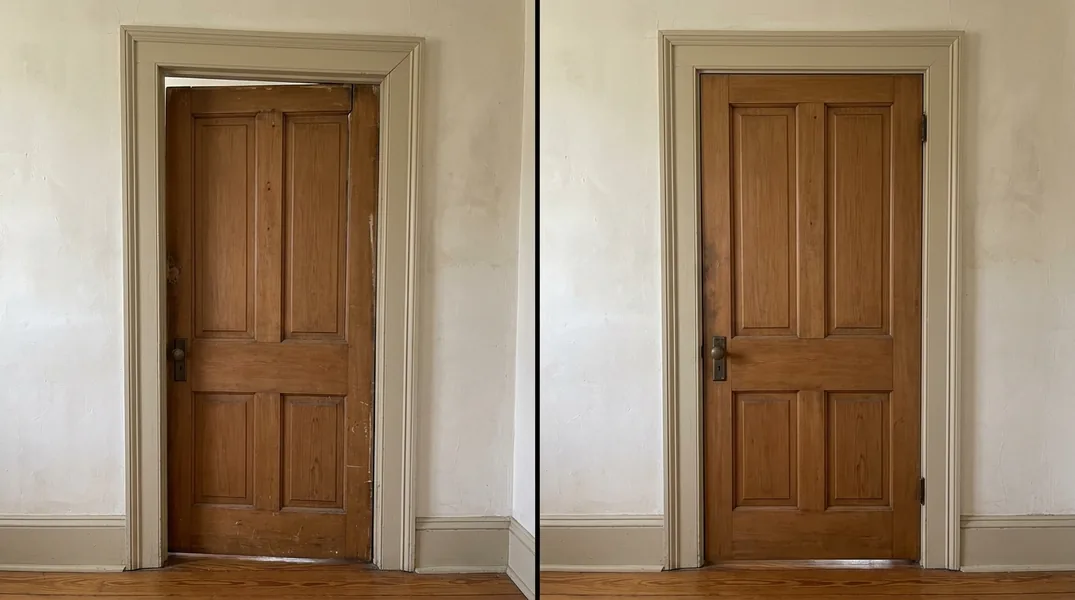
The Repair vs. Replace Decision: What Homeowners Need to Know
When you discover rotted or storm-damaged wood on your home, the first question is always the same: can we fix it, or does it need to come out? The answer isn't one-size-fits-all, and that's exactly why so many homeowners in Greensboro end up confused or overspend on repairs they didn't need.
The truth is, whether you can repair rotted wood without replacing it depends on three critical factors: the extent of the damage, the structural importance of the wood, and how long the rot has been progressing. Surface-level rot that hasn't penetrated deep into the wood grain can often be addressed with targeted repairs. But if the rot has compromised the structural integrity of a load-bearing beam or the core of your siding, replacement becomes the only safe and code-compliant option.
Understanding the difference now can save you thousands of dollars and protect your home's safety. Let's walk through how to make this decision with confidence.
When Repair Makes Sense: Catching Rot Early
The best time to repair rotted wood is the moment you catch it, before it spreads. Early-stage wood rot, often called 'soft rot,' appears as discolored patches, slight softness when you press on the wood, or a musty smell. If the damage is confined to the outer inch or two of wood and doesn't affect any structural members, repair is almost always the right choice.
For example, if you notice rot in the trim around a window, the fascia board, or decorative siding panels, these can typically be repaired by removing the affected section and replacing just that portion. You don't need to tear out the entire wall or rip off all your siding. Wood Rot & Dry Rot Repair at this stage is cost-effective and preserves the integrity of your home's envelope.
The key is acting fast. Wood rot spreads when moisture persists, so once you've repaired the damage, you must address the moisture source. That might mean fixing a gutter, improving drainage, or sealing a crack. Without fixing the root cause, the rot will return within months.
When Replacement Is Your Only Safe Option
There are situations where repair simply won't work, no matter how tempting it might be to save money. If rot has penetrated deep into structural wood, such as floor joists, rim boards, or load-bearing beams, replacement is not optional. Compromised structural members can fail without warning, potentially causing floors to sag, walls to shift, or worse.
Similarly, if you discover rot in multiple areas of the same component, or if the wood has turned dark brown and crumbles when you probe it, you're dealing with advanced dry rot that has destroyed the wood's strength. Attempting a patch job in these cases is like putting a bandage on a broken bone. You need proper Floor Joist & Subfloor Repair or Beam Replacement & Load-Bearing Wall Removal services to restore safety and code compliance.
Storm damage also often necessitates replacement. If a branch has split a beam, water has saturated multiple wall cavities, or the structural frame is visibly compromised, you cannot simply fill and paint. The wood needs to come out and be replaced with new, properly sealed material. This is where homeowner insurance sometimes helps, though you'll want to verify your coverage before the damage occurs.
Wood Rot & Dry Rot Repair Cost in Greensboro: What to Budget
Understanding wood rot repair pricing helps you make an informed decision and avoid sticker shock. The cost of Wood Rot & Dry Rot Repair varies widely based on accessibility, severity, and the type of wood involved.
For minor repairs, such as replacing a rotted window frame or small section of fascia, you might spend $300 to $800. These jobs are straightforward, require minimal structural work, and can often be completed in a day or two. The labor is moderate, and material costs are low because you're only replacing a small section.
Mid-range repairs, such as addressing rot in a corner of your siding, replacing a damaged deck board, or fixing a rotted section of your home's exterior trim, typically fall in the $800 to $2,500 range. These jobs may require some scaffolding, careful moisture assessment, and attention to preventing future damage.
Structural repairs are where costs climb significantly. Replacing rotted floor joists, beams, or load-bearing walls can range from $2,500 to $10,000 or more, depending on how much wood is affected and whether temporary support is needed during the work. These projects require a licensed carpenter, proper engineering, and often coordination with your local building department.
The best way to understand your specific situation is to request a free estimate from a trusted local carpenter. They can assess the scope of damage and give you an honest breakdown of repair versus replacement costs.
Storm Damage and Wood Rot: A Dangerous Combination
Storm damage and wood rot often go hand in hand, especially in areas like Greensboro where spring and summer thunderstorms are common. A tree branch tears through your roof, a gutter tears loose, or wind-driven rain finds its way into your walls. If that moisture isn't properly dried out and sealed, rot can begin within weeks.
The challenge with storm damage is that the full extent of the problem often isn't visible immediately. Water may have soaked into cavities, attics, or wall framing that looks fine on the surface. By the time you notice soft wood or discoloration, the damage may have progressed significantly. This is why professional inspection after a major storm is so valuable.
If your home has experienced storm damage, don't wait to have it evaluated. Moisture trapped in wood is the perfect environment for both dry rot and mold growth. Early intervention can mean the difference between a $1,000 repair and a $10,000 restoration. Contact a local carpenter who can assess hidden damage and recommend the right course of action.
How to Prevent Rotted Wood and Avoid Future Repairs
The most cost-effective repair is the one you never have to make. Preventing wood rot starts with managing moisture, the primary culprit behind all wood decay. Keep gutters clean and functioning properly, ensuring water drains away from your foundation and siding. Check that downspouts extend at least four to six feet from your home's perimeter.
Inspect your home's exterior twice a year, especially after storms. Look for soft spots, discoloration, peeling paint, or gaps where water could enter. Pay special attention to areas where wood meets concrete, around windows and doors, and anywhere water naturally collects. Seal cracks and gaps with caulk or weatherstripping, and ensure that your grading slopes away from the house so rain doesn't pool against the foundation.
If you've had rot repaired, invest in quality sealants and finishes. Paint and stain protect wood from UV damage and moisture penetration. Reapply these protective coatings every three to five years, or as recommended by the product manufacturer. For areas prone to moisture, like decks or exterior trim, consider using pressure-treated or naturally rot-resistant wood species.
Finally, address any plumbing leaks, roof leaks, or condensation issues inside your home. Interior moisture is just as damaging as exterior exposure. If you notice persistent dampness in your basement, attic, or crawlspace, invest in a dehumidifier or improve ventilation. These preventive steps cost far less than major structural repairs down the line.
Getting Professional Help: Why It Matters
Attempting to diagnose and repair wood rot yourself is tempting, especially if you're handy. But wood rot assessment requires experience and the ability to distinguish between surface damage and structural compromise. A carpenter trained in rot repair knows how to probe for hidden damage, assess load-bearing capacity, and ensure that repairs meet local building codes.
When you call Greensboro Carpentry at (336) 203-7049, you're getting an honest assessment and a clear explanation of your options. We don't push unnecessary replacements, and we don't cut corners on structural repairs. Our goal is to give you the most cost-effective, safe solution for your specific situation.
Whether your wood rot is minor or major, whether you need a simple repair or a full replacement, the first step is always the same: get a professional evaluation. Reach out for a free estimate and let's talk about what's best for your home.
Looking for a professional carpentry contractor in Greensboro? Greensboro Carpentry responds fast for all your carpentry needs.
Get a Free QuoteOur services: Wood Rot & Dry Rot Repair · Termite Damage Repair · Floor Joist & Subfloor Repair