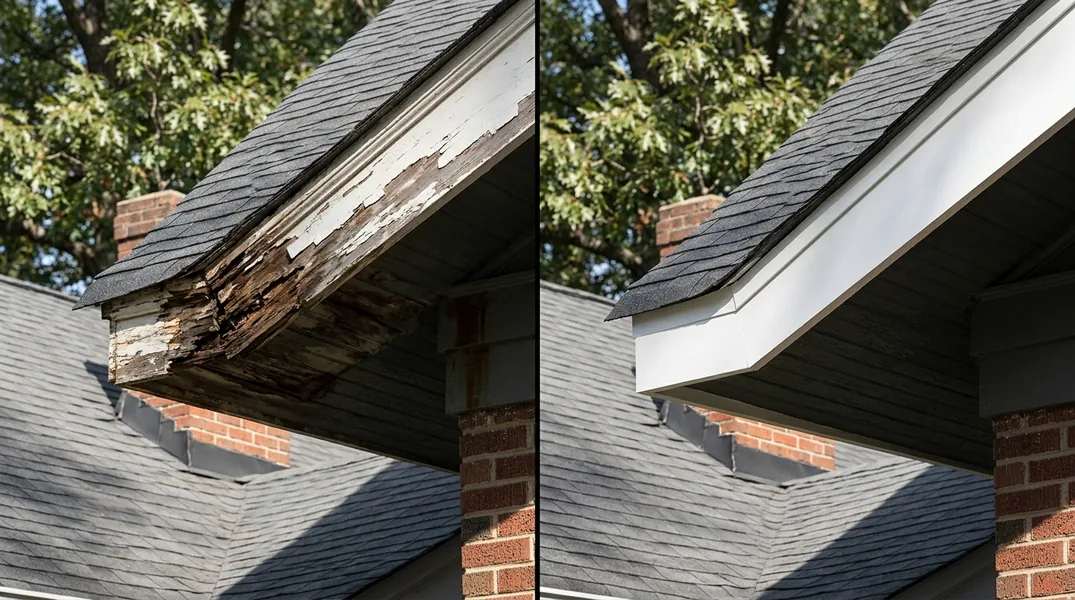
Why Historic Homes in Greensboro Need Special Wood Care
If you own a Craftsman bungalow in Fisher Park or an early 20th-century estate in Irving Park, you're steward to one of Greensboro's most charming architectural treasures. These homes, built between 1900 and 1930, showcase original wood siding, exposed beams, hardwood floors, and hand-crafted details that simply cannot be replicated today. But that same age and character come with a responsibility: wood maintenance that is both preventive and honest.
Historic homes in Greensboro face unique challenges. The original wood was often harvested from old-growth timber, which is denser and more rot-resistant than modern lumber, but it is not immune to decay. Over decades, exposure to moisture, temperature swings, and settling has taken its toll on many properties. The good news is that understanding what to look for and when to act can save you thousands in emergency repairs down the road.
Understanding Wood Rot vs. Dry Rot: What's the Real Difference?
Many homeowners use the terms interchangeably, but wood rot and dry rot are actually different problems requiring different solutions. Wet rot occurs when wood is exposed to sustained moisture from rain, plumbing leaks, or poor drainage. It typically appears as soft, spongy wood that darkens and may feel mushy to the touch. Dry rot, by contrast, is caused by specific fungal species that can spread through wood even in relatively dry conditions, leaving behind a brittle, cracked appearance that resembles a checkerboard pattern.
In a Craftsman bungalow with original wood siding, wet rot is more common because the older cladding materials were not treated with modern water-resistant coatings. You might notice it around window frames, door jambs, or where the siding meets the foundation. Dry rot is often found in basements, crawl spaces, or interior framing where ventilation is poor. The key difference for homeowners is this: both require professional attention, but dry rot spreads faster and can compromise structural integrity more quickly. If you suspect either issue, Wood Rot & Dry Rot Repair should be your first call.
Signs Your Historic Home Needs Wood Siding Repair
Wood siding repair is one of the most common maintenance issues we address in historic Fisher Park and Irving Park homes. The original lap siding on these properties was designed to last, but it requires regular attention. Start by walking around your home and looking for soft spots. Use a flathead screwdriver or awl to gently probe suspect areas. If the tool sinks in easily or the wood crumbles, you have decay that needs treatment.
Other warning signs include peeling or bubbling paint, which indicates moisture is trapped beneath the surface. You might also notice visible gaps or separation where boards have warped or pulled away from the house. Carpenter ants and woodpeckers are attracted to rotting wood, so if you see small holes or insect activity, that is another red flag. The longer these issues sit, the more they spread. What starts as a small patch of soft siding can eventually lead to structural damage that requires Floor Joist & Subfloor Repair or worse.
Preventive Maintenance: Your Best Defense Against Wood Decay
Prevention is always cheaper than repair, and this is especially true for historic homes where materials and craftsmanship are expensive to replace. Start with the basics: keep gutters and downspouts clean and functioning properly. A clogged gutter allows water to back up and saturate the fascia and soffit, which are common rot entry points. Make sure downspouts direct water at least four feet away from the foundation. If your home has a crawl space, ensure it is properly ventilated and that the vapor barrier is intact. Poor ventilation traps moisture and creates the exact environment where dry rot thrives.
Paint and caulk are your wood's first line of defense. Historic homes often have original caulking that has hardened and cracked over the decades. Recaulk gaps around windows, doors, and trim every five to seven years. When you repaint exterior wood, use high-quality exterior paint designed for wood, and do not skip the primer step. For Craftsman bungalows with stained wood trim, consider a clear polyurethane topcoat instead of paint. Additionally, keep an eye on your roof. A single missing or damaged shingle can allow water into the attic and down into walls, where it can damage framing for years before you notice. Have your roof inspected annually and address any damage immediately.
When to Call a Professional: Wood Rot & Dry Rot Repair Near Me
Not every wood maintenance issue is a DIY project. If you have found soft wood, visible fungal growth, or widespread decay, it is time to call in a professional. Wood Rot & Dry Rot Repair requires proper assessment, safe removal of damaged material, and correct replacement with appropriate wood species and fastening methods. A skilled carpenter will also identify and address the moisture source, otherwise the rot will simply return.
At Greensboro Carpentry, we specialize in historic home repair and understand the unique challenges of maintaining Craftsman bungalows and period estates. We can assess the extent of damage, determine whether wood can be treated or must be replaced, and ensure any repairs match the original character of your home. For structural concerns such as compromised beams or load-bearing walls, we offer Beam Replacement & Load-Bearing Wall Removal services as well. If you are unsure whether your home needs professional attention, we encourage you to reach out for a free estimate. Call us at (336) 203-7049 to schedule an inspection.
Historic Home Maintenance Greensboro: A Year-Round Checklist
Maintaining a historic home is a year-round commitment, but breaking it into seasonal tasks makes it manageable. In spring, inspect your roof, clean gutters, and check for any winter damage. Look for soft wood around the foundation and basement windows. Summer is the time to paint or stain exterior wood and recaulk as needed. Fall brings another gutter cleaning and a final inspection before winter weather arrives. Winter is when you should monitor interior spaces for signs of moisture or mold that might indicate roof or wall leaks.
Keep a maintenance log documenting when you have work done, what materials were used, and any issues you noticed. This record is invaluable for future repairs and helps you spot patterns. For example, if rot keeps appearing on the north side of your home, there may be a drainage or ventilation problem specific to that area. When you are ready to tackle more complex repairs or need professional guidance, Greensboro Carpentry is here to help. We have worked on countless historic homes throughout the area and understand how to preserve their integrity while addressing modern durability concerns. Contact us at (336) 203-7049 or visit our website to learn more about our services and pricing.
Looking for a professional carpentry contractor in Greensboro? Greensboro Carpentry responds fast for all your carpentry needs.
Get a Free QuoteOur services: Wood Rot & Dry Rot Repair · Termite Damage Repair · Floor Joist & Subfloor Repair