Why Original Wood Windows Matter in Greensboro Homes
Original wood windows are a hallmark of character and craftsmanship in many Greensboro homes. Whether your house was built in the early 1900s or the 1970s, these windows represent an investment in quality that modern replacements often struggle to match. The wood used in vintage windows was typically harvested from old-growth timber, which is denser, more durable, and far more beautiful than what's available today. The joinery, glazing techniques, and hardware reflect a level of attention to detail that you simply won't find in mass-produced alternatives.
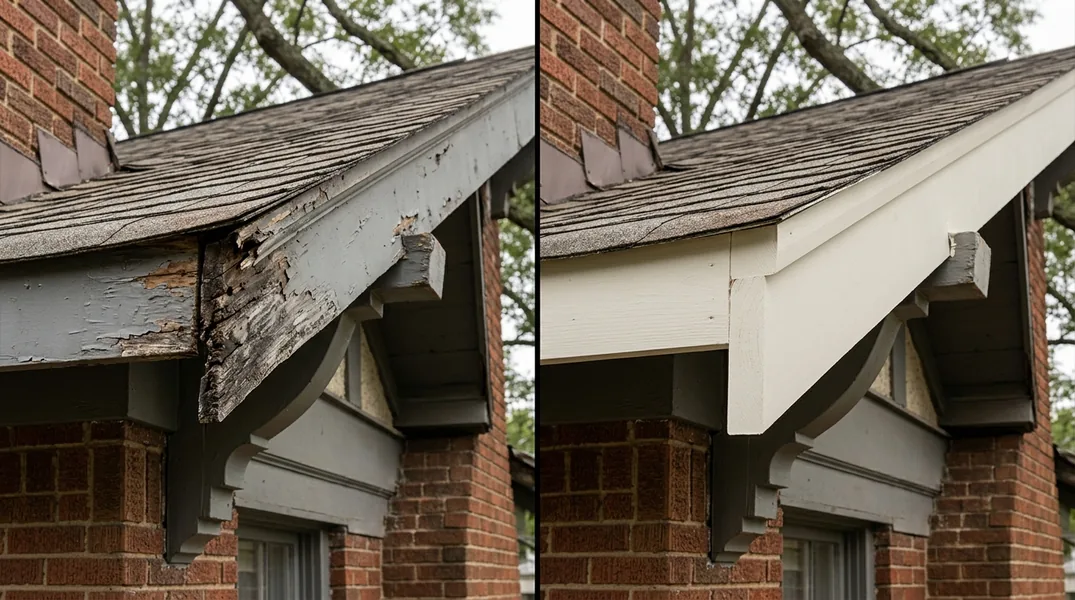
However, the very thing that makes these windows special also makes them vulnerable. Wood is a natural material that requires maintenance, and when moisture infiltrates the frame or sill, decay can set in quickly. Many homeowners assume that rotted wood windows must be replaced entirely, but that's often not the case. Strategic Wood Rot & Dry Rot Repair can restore these windows to their original functionality and beauty while preserving the historical integrity of your home. Understanding the difference between repair and replacement is the first step toward making a smart decision for your property.
Understanding Window Sill Rot: Causes and Early Signs
Window sills are among the most vulnerable parts of any wood window system. These horizontal surfaces sit at the intersection of exterior and interior, making them prime targets for moisture accumulation. Rain, condensation, and snow melt all conspire to saturate the wood, and if water can't drain properly, rot develops. The sill bears the brunt of weather exposure, especially on the south and west sides of your home where sun and rain cycles are most intense.
Recognizing the early signs of window sill rot can mean the difference between a simple repair and a costly replacement. Look for soft spots when you press on the sill with a screwdriver or awl. If the tool sinks in easily, decay has likely begun. Other warning signs include peeling paint, visible discoloration or darkening of the wood, a musty odor near the window, or water stains on the interior walls below the sill. You might also notice that the window becomes difficult to open or close, or that there are drafts where there weren't before. In Greensboro's humid climate, these conditions can develop faster than homeowners expect, which is why regular inspection is essential.
Sill Repair vs. Full Window Replacement: The Case for Repair
When a contractor suggests replacing your entire window, pause and ask for a second opinion. Full window replacement is expensive, disruptive, and often unnecessary when the rot is localized to the sill or frame. A quality sill repair or frame repair can restore structural integrity, improve water shedding, and extend the life of your window by decades, all at a fraction of the cost of replacement. The repair process typically involves carefully removing the damaged wood, treating the area to prevent future decay, and installing new wood that matches the original profile and finish.
The financial advantage is significant. A full window replacement can cost $500 to $2,000 or more per window, depending on size and style. A professional wood window repair job often runs $200 to $800, and sometimes less if the damage is caught early. Beyond cost, repair preserves authenticity. Original windows have architectural value that new windows cannot replicate. If you ever sell your home, buyers often appreciate the character and quality of restored original windows far more than modern replacements. Additionally, repair work is typically faster and less invasive than removal and reinstallation, meaning less disruption to your living space and less risk of damage to surrounding trim, plaster, or siding.
The Wood Window Repair Process: What to Expect
A professional wood window repair begins with a thorough assessment. A skilled carpenter will inspect the extent of rot, check for any structural compromise, and determine whether the damage is limited to the sill or has spread into the frame or jambs. This evaluation is critical because it determines the scope and cost of the work. Many homeowners worry that surface rot signals deep decay, but often the damage is superficial and easily remedied.
Once the assessment is complete, the repair work proceeds in stages. First, the damaged wood is carefully removed using chisels, saws, or specialized tools that don't disturb sound wood. The exposed area is then treated with a wood hardener or fungicide to kill any remaining decay organisms and prevent recurrence. Next, the carpenter installs new wood that matches the original species and grain direction whenever possible. This new wood is shaped to match the original profile, ensuring that water still sheds properly and the window operates smoothly. Finally, the repair is sealed with exterior-grade caulk and painted to match your existing trim. The entire process is typically completed in a day or two, depending on the extent of damage and the number of windows involved.
Cost Considerations: Window Sill Replacement Pricing in Greensboro
Understanding the financial side of window repairs helps you make an informed decision. The pricing for sill repair depends on several factors: the size of the window, the extent of decay, the type of wood, and whether the damage has affected multiple components. A small, localized sill repair might cost $300 to $500, while a more extensive frame repair involving multiple windows could run $1,500 to $3,000. These figures are still substantially lower than full window replacement, which often exceeds $1,500 per window when you factor in labor, removal of the old window, and any restoration work needed on surrounding areas.
Another financial consideration is the long-term value of repair versus replacement. Repaired original windows typically add more to your home's resale value and curb appeal than modern replacements, especially in historic neighborhoods or older homes. If you're planning to stay in your home for many years, the durability and aesthetic benefits of a quality repair make the investment worthwhile. For a free consultation on your specific situation and to understand what your repair might cost, contact Greensboro Carpentry at (336) 203-7049 or request a free estimate. Our team can walk you through your options and help you understand the true value of repair versus replacement.
Prevention: Protecting Your Wood Windows from Future Rot
Once your windows have been repaired, protecting them from future damage is essential. The most important step is ensuring proper drainage. Make sure gutters and downspouts are clean and functioning correctly, directing water away from your home's foundation and walls. Check that window sills slope slightly outward so water runs off rather than pooling. If your sill is level or slopes inward, water will accumulate and decay will return quickly. Inspect caulking annually and recaulk any gaps where water might infiltrate. Paint or stain your windows every 5 to 7 years to maintain the protective finish that keeps moisture out.
Interior maintenance matters too. Excessive indoor humidity accelerates decay, especially in bathrooms and kitchens. Use exhaust fans when showering or cooking, and ensure they vent outside your home. Keep the interior sills clean and dry, and wipe up any condensation that forms during cold months. Finally, avoid covering windows with heavy drapes or shutters that trap moisture against the glass and frame. Simple habits and regular inspection can add decades to the life of your repaired windows. If you notice new signs of rot or damage, address them promptly rather than waiting. Early intervention prevents small problems from becoming expensive ones, and it keeps your original windows beautiful and functional for generations to come.
Looking for a professional carpentry contractor in Greensboro? Greensboro Carpentry responds fast for all your carpentry needs.
Get a Free QuoteOur services: Wood Rot & Dry Rot Repair · Termite Damage Repair · Floor Joist & Subfloor Repair